November 13, 2026
The right dumpster size depends on the scope of a project, the materials being discarded, and the amount of waste expected. Choosing the wrong container can lead to additional fees, project delays, and unnecessary complications. Professional waste management services help property owners and contractors select a suitable option based on these factors.
Identifying the Project Type
Different projects generate different kinds and quantities of debris. Construction and demolition projects often produce wood, drywall, concrete, and metal, while landscaping work may generate branches, soil, and organic materials. Understanding the project type helps waste management professionals recommend an appropriate container.
Experienced providers evaluate the expected debris before recommending dumpster rental services. A residential renovation may require a medium-sized container, while a large commercial construction project could need a larger option or multiple dumpsters. Matching the container to the project's scope helps keep disposal organized and efficient.
Estimating Waste Volume
Estimating waste volume is essential when selecting a dumpster. Project plans, material inventories, and anticipated demolition debris help professionals determine the necessary capacity. Accurate estimates reduce the likelihood of renting a container that fills too quickly or paying for unused space.
Working with a waste management provider can improve these estimates. According to HomeAdvisor, most companies provide competitive pricing and offer dumpsters in sizes ranging from 10 to 40 yards. These options accommodate projects of different sizes while helping customers manage disposal costs.
Accounting for Project Duration
The length of a project affects how long a dumpster will be needed and whether additional pickups should be scheduled. Long-term construction projects may generate debris over several weeks or months, requiring a plan that accounts for changing disposal needs. Coordinating rental periods with project milestones helps prevent overflowing containers and unnecessary expenses.
Professional dumpster rental services can help contractors establish rental periods and arrange pickups when needed. Providers may also offer extensions if construction schedules change. Discussing these possibilities beforehand helps reduce disruptions and maintain a clean worksite.
Evaluating Waste Materials
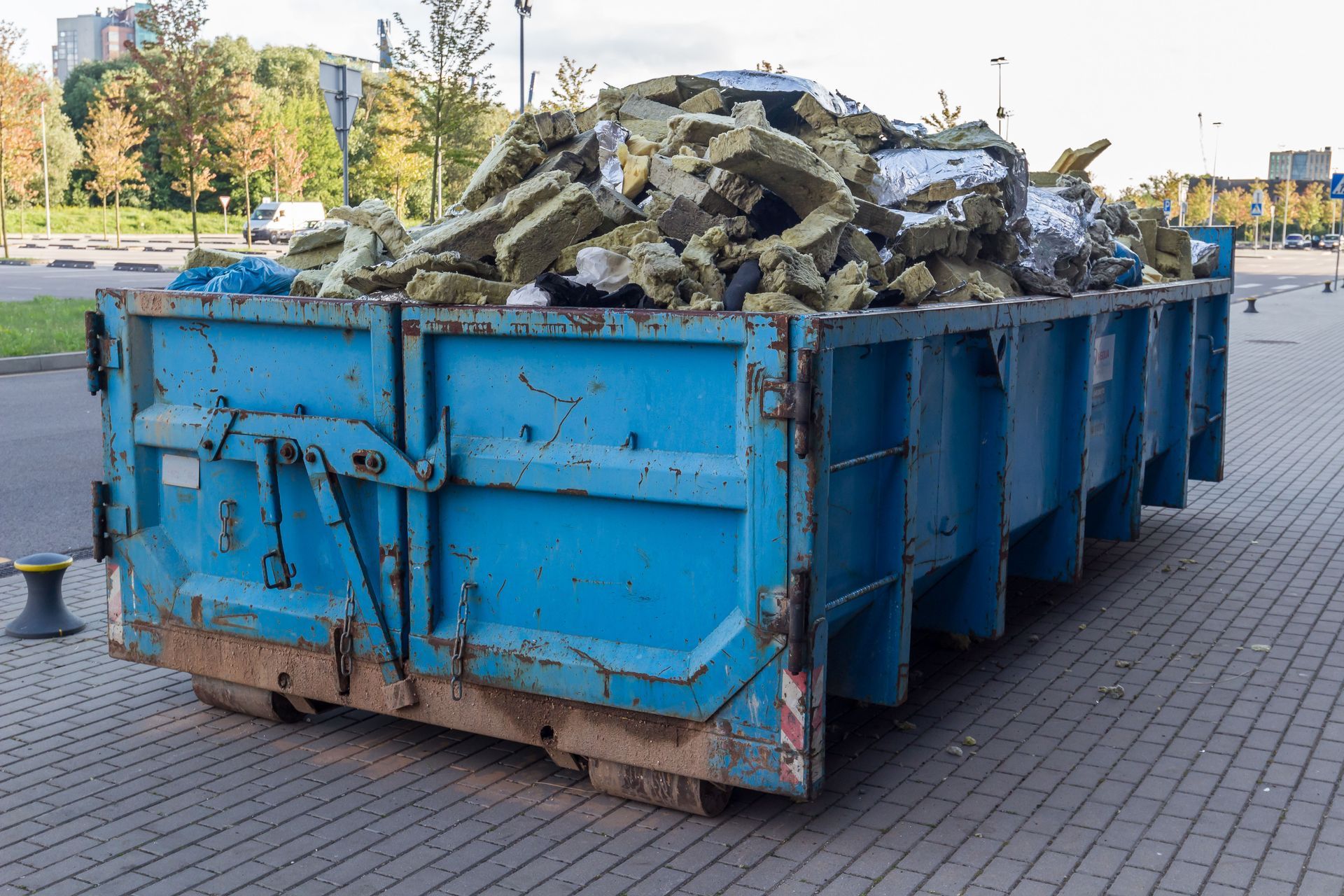
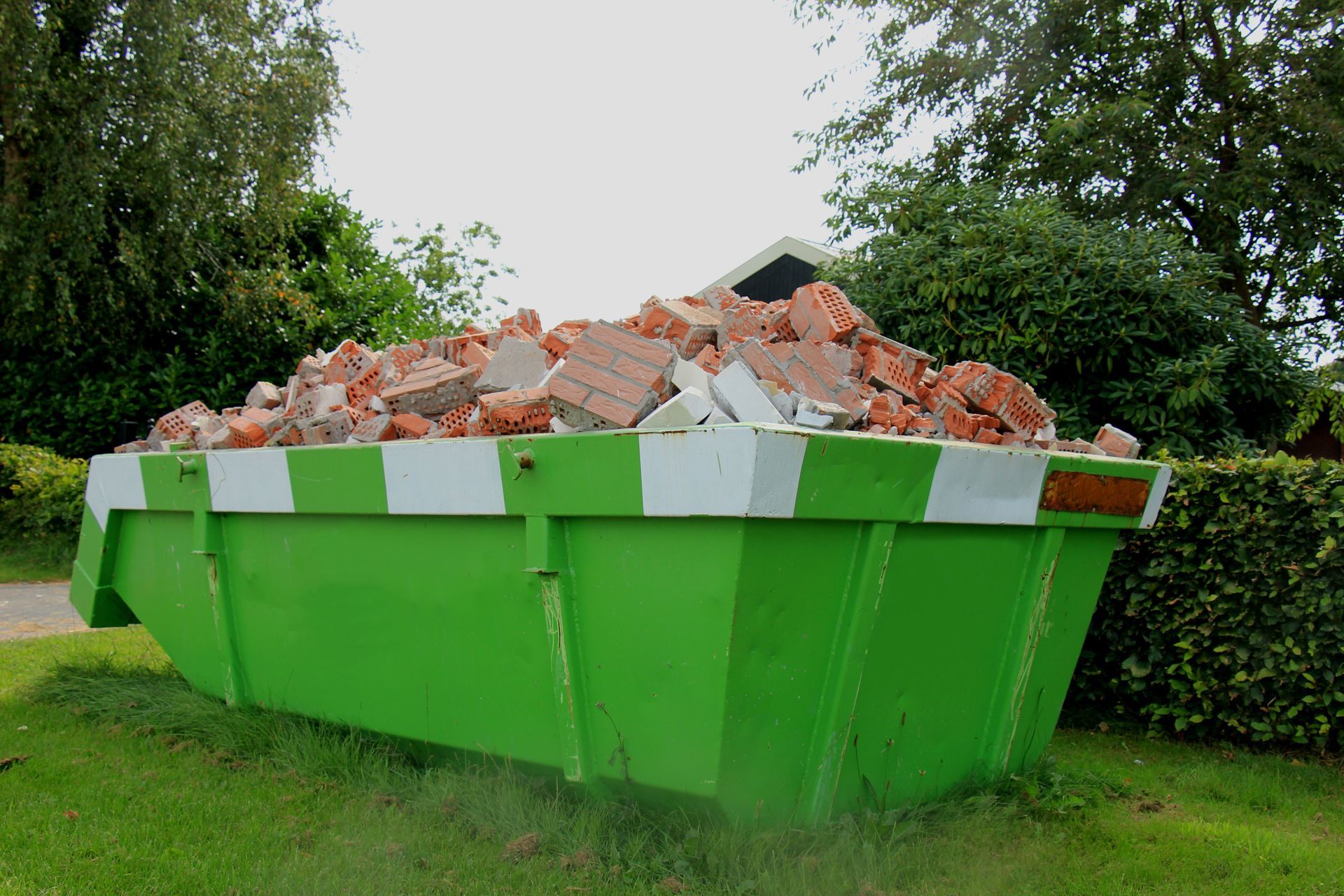
The materials being discarded influence both dumpster size and container requirements. Heavy materials, such as concrete, brick, and roofing shingles, can reach weight limits before a dumpster is full. Lighter materials, including packaging, drywall, and wood, may occupy considerable space without approaching the same weight restrictions.
Waste management professionals can explain which materials are accepted and whether certain debris requires separate disposal arrangements. Some materials may also be suitable for recycling. Reviewing these requirements in advance helps customers avoid unexpected charges and comply with local disposal rules.
Reviewing Local Regulations
Local regulations can affect dumpster placement and the materials permitted for disposal. Some municipalities require permits for containers positioned on public streets or sidewalks, while others enforce restrictions on construction debris and hazardous materials. Understanding these requirements helps prevent fines and scheduling problems. Professional providers familiar with local regulations can explain placement requirements and evaluate available space. Considering these details early makes dumpster rental services easier to coordinate with the project schedule.
Comparing Common Dumpster Sizes
Dumpsters commonly range from 10 to 40 cubic yards. Smaller containers often suit limited cleanouts and minor renovations, while larger options accommodate substantial construction and demolition projects. The best choice depends on debris volume, material weight, and available placement space.
A 10-yard dumpster may suit a small cleanout, while a 20-yard container offers versatility for medium-sized renovations, roofing work, and property cleanouts. Larger projects may benefit from 30-yard or 40-yard dumpsters that provide additional capacity for bulky materials.
HomeAdvisor notes that providers offer various dumpster sizes and competitive pricing for different project requirements. However, the largest container is not always the most economical choice. Professional recommendations help balance capacity, rental rates, and site limitations.
Matching Capacity to Waste Volume
Choosing a dumpster involves more than estimating how much debris a project will generate. Professionals also consider how materials occupy space, how quickly waste accumulates, and whether weight restrictions affect usable capacity. These details help determine whether one container will be sufficient.
Reliable dumpster rental services account for the differences between bulky, lightweight debris and dense construction materials. A project involving furniture and drywall may require substantial space, while concrete disposal may require careful attention to weight allowances. Considering both factors helps prevent overage charges and additional hauling arrangements.
Considering Site Access and Placement
Available space can limit which dumpster sizes are practical. Narrow driveways, restricted entrances, overhead obstacles, and nearby structures may affect delivery and placement. A container must fit safely without obstructing access routes or interfering with project activities. Waste management providers can evaluate placement conditions and explain delivery requirements. Planning ahead helps prevent unnecessary repositioning fees and delivery complications.
Preventing Overfilling Problems
Overfilled dumpsters can create safety hazards and interfere with transportation. Waste extending above the container's fill line may prevent safe hauling and require customers to remove excess material before pickup. Weight limits can also be exceeded even when debris remains below the top. Professional dumpster rental services help customers understand fill requirements and weight restrictions. When a project generates more waste than anticipated, arranging an additional pickup or a larger container may be more practical than allowing debris to accumulate.
Adjusting to Unexpected Changes
Project requirements can change because of construction delays, weather conditions, or additional demolition. These developments may increase waste volume or extend the time a dumpster is needed. A flexible disposal plan makes it easier to respond without disrupting the project. Providers may offer rental extensions, container exchanges, or additional pickups, depending on availability and service terms. Discussing these options beforehand helps customers accommodate changing needs while maintaining predictable waste management arrangements.
Understanding Dumpster Rental Pricing
Dumpster rental costs depend on container size, rental duration, disposal location, and the type and weight of materials. Larger containers generally cost more initially, although they may reduce the need for multiple pickups. Comparing the total expected cost helps customers make informed decisions. According to HomeAdvisor, dumpster providers commonly offer competitive pricing and sizes from 10 to 40 yards. Customers should compare quotes to understand what each price includes, such as delivery, pickup, disposal allowances, and rental periods.
Avoiding Additional Fees
Unexpected charges may arise when a dumpster exceeds its weight allowance, remains on-site beyond the agreed rental period, or contains prohibited materials. Some providers also charge for special handling or extra pickups. Understanding the rental agreement helps customers plan for these expenses. Professional dumpster rental services can explain weight limits, accepted waste types, rental extensions, and pricing conditions. Providing accurate project details when requesting a quote helps the company recommend an appropriate container and reduces the risk of additional costs.
Coordinating Pickups and Deliveries
Pickup schedules should reflect how quickly waste accumulates and how much space remains in the container. A dumpster that fills too early can interrupt construction activities, while unnecessary pickups may increase expenses. Coordinating appointments with project milestones helps maintain an efficient disposal process. Contractors managing extended projects should communicate changes in waste volume and scheduling requirements. Providers may arrange recurring pickups or adjust service dates according to availability, helping keep the worksite clear.
Choosing a Reliable Waste Management Provider
Selecting a dependable provider is an important part of project planning. Customers should consider container availability, delivery schedules, pricing transparency, accepted materials, and customer service when comparing companies. Clear communication helps prevent misunderstandings throughout the rental period. Experienced companies can recommend container sizes based on project specifications and site conditions. Working with a reliable provider makes dumpster rental services a more predictable part of waste management.