October 31, 2026
Choosing the right dumpster size is an important part of planning a home renovation, property cleanup, construction job, or landscaping project. A container that is too small may fill up before the work is finished, while an oversized dumpster can mean paying for more capacity than necessary. Understanding the type and volume of waste you expect to generate can help you make a practical choice. A reliable dumpster rental company can explain available container sizes and help match your selection to the project's requirements. The amount of debris, its weight, and the space available for placement are all important considerations. Rental periods, disposal restrictions, and local requirements may also affect which option works best. Planning these details before work begins can help reduce interruptions and keep the project organized. With a clear understanding of your needs, you can choose a container that supports efficient waste removal from start to finish.
Evaluating the Type of Project
The first step in selecting a dumpster is identifying the kind of work you plan to complete. Small household cleanouts may produce mostly boxes, clothing, furniture, and other general household items. Kitchen renovations, roofing jobs, and construction projects can generate heavier materials, including wood, drywall, shingles, and broken fixtures. Yard projects may produce branches, leaves, soil, and other landscaping debris that require different handling. A dumpster rental company can help you determine which container is appropriate for the materials you expect to discard. It is useful to estimate the amount of waste before scheduling delivery rather than choosing a size based only on the project's name. You should also identify any materials that may require separate disposal or may not be accepted in a standard container. Knowing what will go into the dumpster makes it easier to select a suitable size and avoid unnecessary complications.
Understanding Common Dumpster Sizes
Dumpsters are generally available in several capacities, often described in cubic yards. Smaller containers may suit minor cleanouts, bathroom updates, or limited landscaping work. Medium-sized options are commonly considered for larger household projects, flooring removal, and renovations that generate a moderate amount of debris. Larger containers may be better suited to extensive remodeling, construction, or whole-property cleanouts. The most appropriate size depends on the amount of waste, the materials involved, and how much room they occupy after loading. When comparing options, ask the provider for the container's capacity and examples of projects it can accommodate. A knowledgeable dumpster rental company can explain the differences between available sizes and help you avoid selecting an unnecessarily large container. If you are unsure how much debris the project will produce, explain the scope of the work and ask for guidance before booking.
Estimating the Volume of Your Debris
Estimating waste volume can be challenging because materials take up different amounts of space. Broken furniture, bulky packaging, and tree branches may fill a container quickly even when they are relatively lightweight. Smaller debris, such as tiles or compact pieces of wood, may fit more closely together but can become heavy. One helpful approach is to estimate how many bags, boxes, or pickup-truck loads the project is likely to generate. For renovations, consider the number of rooms involved and whether cabinets, flooring, drywall, or fixtures will be removed. A dumpster rental company can use these details to recommend a capacity that fits your expected waste volume. It is generally wise to leave some room for unexpected debris instead of planning to fill the container from the beginning. A realistic estimate can reduce the chance of needing an additional rental or arranging a second disposal trip.
Considering the Weight of Heavy Materials
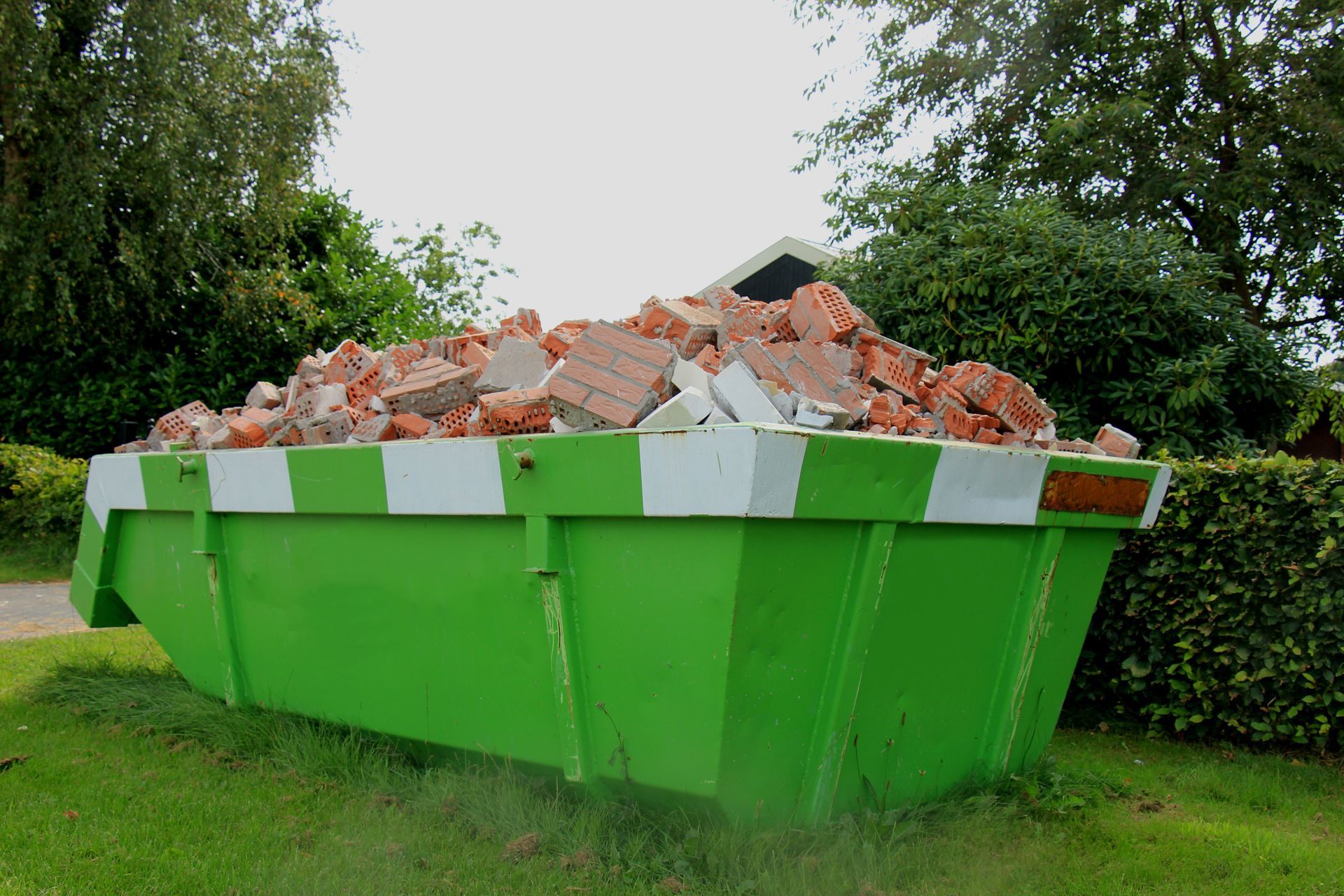
Volume is only one factor in choosing a dumpster because weight limits can also affect how much material a container may safely hold. Concrete, bricks, roofing shingles, soil, and tile can become extremely heavy even when they occupy relatively little space. A large container filled with dense materials may exceed its permitted weight before it appears full. Before ordering, ask about weight allowances, disposal fees, and any restrictions for the materials you plan to load. Some projects involving concrete or masonry may require a container specifically suited to heavy debris. A dumpster rental company can explain the available options and help determine whether your materials need special arrangements. Avoid mixing heavy debris with large quantities of bulky waste unless the provider confirms that the combination is appropriate. Following weight guidelines helps support safe transportation and reduces the risk of additional charges.
Planning the Dumpster Placement Area
The location where the dumpster will be placed can influence which size is practical for your project. A driveway may accommodate a container easily, while a narrow street, small yard, or limited construction site may restrict available space. Before delivery, measure the intended area and consider the room needed for the delivery vehicle to position the container. Overhead wires, tree branches, parked cars, and nearby structures may also affect access. A dumpster rental company can provide container dimensions and explain the access requirements for delivery and pickup. If the dumpster will be placed on a public street or another regulated area, check whether local permission or a permit is necessary. Protecting the placement surface with an appropriate method may also be worthwhile, particularly on delicate driveways or finished pavement. Careful placement planning can prevent delivery delays and help workers load debris safely.
Matching the Rental Period to the Project
The right dumpster size should also work with the amount of time you need to complete the job. A quick garage cleanout may take only a day, while a home renovation or construction project can continue over several weeks. Choosing a rental period that is too short may create pressure to finish before the container is ready for pickup. On the other hand, keeping a dumpster longer than necessary may increase the overall cost. Before booking, estimate your project timeline and account for weather delays, contractor schedules, and unexpected discoveries during demolition. A dumpster rental company can explain the standard rental period and whether extensions are available if the work takes longer than expected. It is also helpful to ask how pickup scheduling works once the container is full. Coordinating the rental period with the project's schedule can make waste management more predictable.
Comparing Costs and Disposal Requirements
Price comparisons should account for more than the initial rental charge. Different providers may include different weight allowances, rental periods, delivery arrangements, and disposal fees in their quoted prices. Additional charges may apply if the container exceeds its weight limit, remains on-site longer than agreed, or contains prohibited materials. According to Fact.MR, an international market report projects that the dumpster market will reach a value of $2 billion by 2033. When comparing providers, request clear information about included services and possible extra costs rather than focusing only on the lowest advertised rate. Ask which materials are accepted and whether separate containers are needed for certain waste types. You should also confirm how changes to delivery or pickup dates are handled. Reviewing these details beforehand helps you choose an option that fits both your project requirements and your budget.
Avoiding Common Dumpster Selection Mistakes
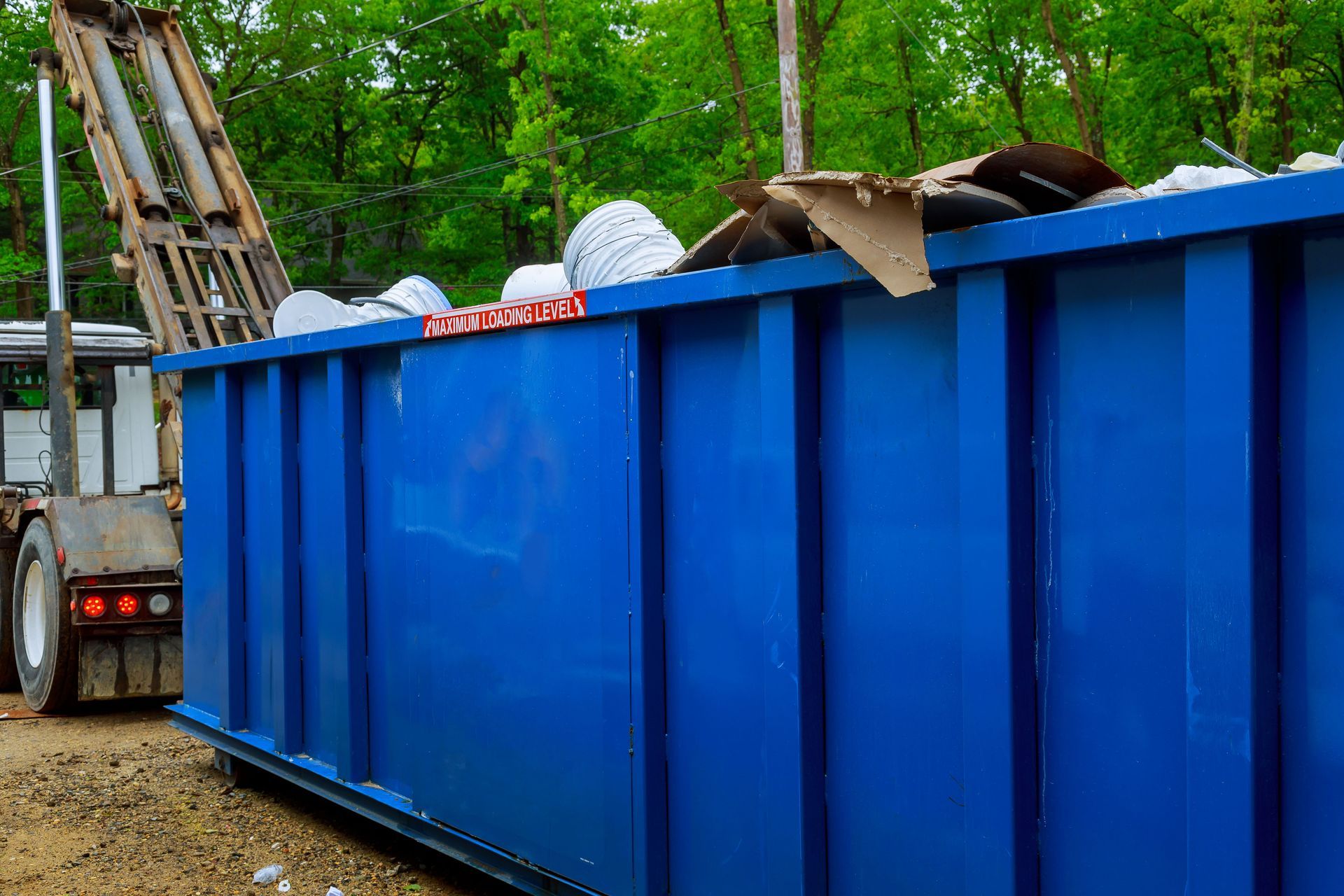
One frequent mistake is choosing a container based on price alone without considering the project's actual waste volume. Another is underestimating heavy debris or assuming that every material can be placed in the same dumpster. Filling a container above its permitted level can create transportation hazards and may prevent pickup until the load is corrected. Placing prohibited items in the container can also lead to additional charges or disposal delays. A dumpster rental company can help clarify loading rules, weight restrictions, and the most appropriate size for the job. It is important to distribute debris carefully and follow any instructions about loading heavy materials.
Selecting the right dumpster involves balancing waste volume, material weight, placement space, project timing, and rental costs. A little preparation can help you avoid ordering a container that is too small, paying for unnecessary capacity, or encountering unexpected disposal issues. Westphal Waste Services can help you discuss your project's waste removal needs and determine the appropriate next steps. Contact us to talk about your project, review available dumpster options, and plan a rental that suits your cleanup or construction schedule.