September 21, 2026
Commercial properties generate many types of waste, including cardboard, office junk, construction debris, roofing materials, wood, metal, and landscaping waste. Without an organized disposal plan, accumulated debris can interfere with daily operations, create safety concerns, and make a property appear poorly maintained. Working with dependable dumpster rental companies provides businesses with a practical way to manage waste during renovations, construction projects, cleanouts, and other commercial activities.
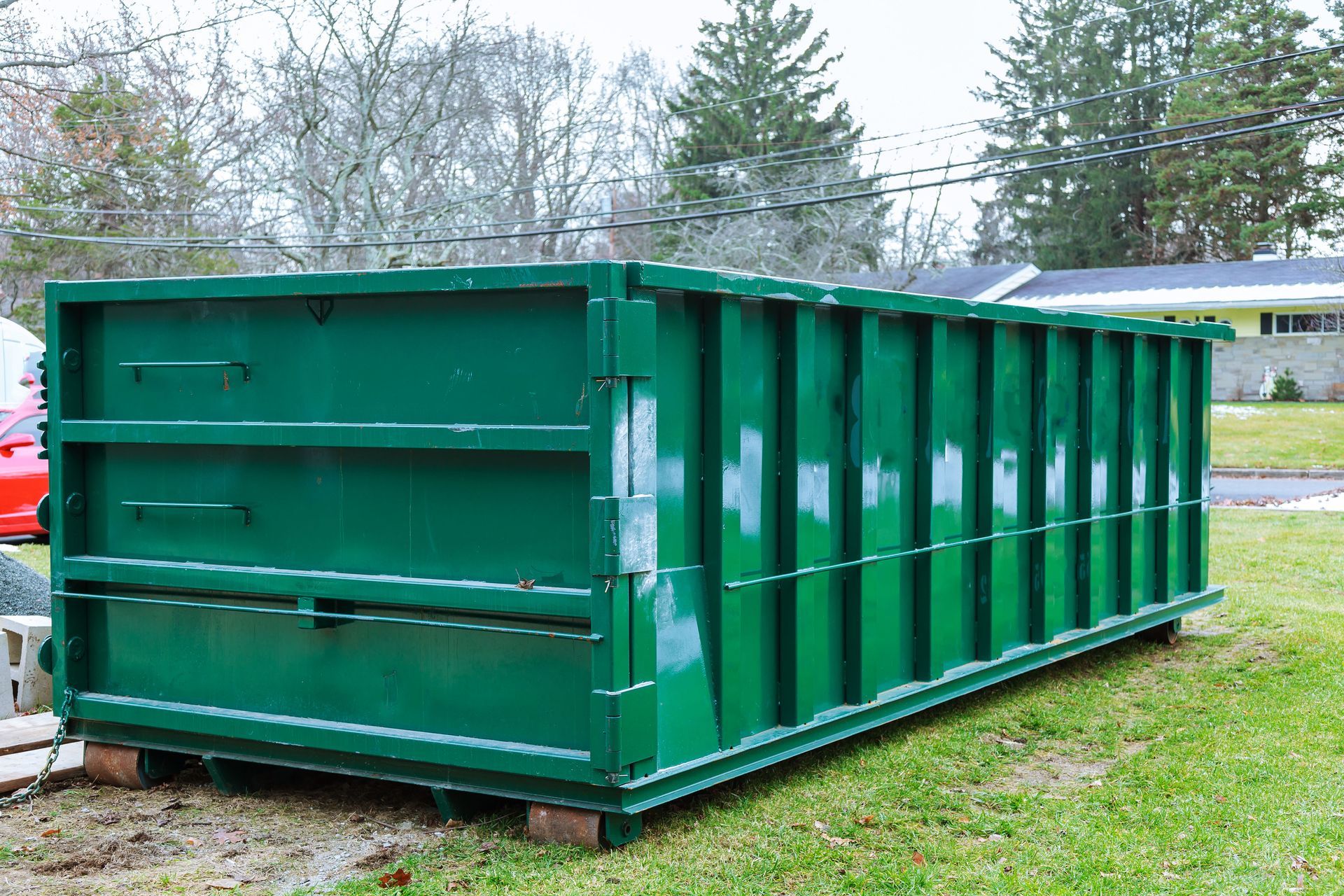
Commercial dumpster services can accommodate projects of different sizes. Roll-off containers may range from smaller options for limited cleanouts to larger containers designed for substantial construction and demolition work. Selecting the appropriate container and arranging a suitable pickup schedule can help businesses maintain an orderly work area without paying for substantially more capacity than necessary.
According to IBISWorld, the dumpster rental market was valued at $654 million in 2025, highlighting the established role of dumpster services in waste management. For commercial property owners and managers, choosing a dependable provider can simplify debris removal while helping projects remain organized and aligned with applicable disposal requirements.
Supporting Efficient Commercial Operations
Keeping Waste Under Control
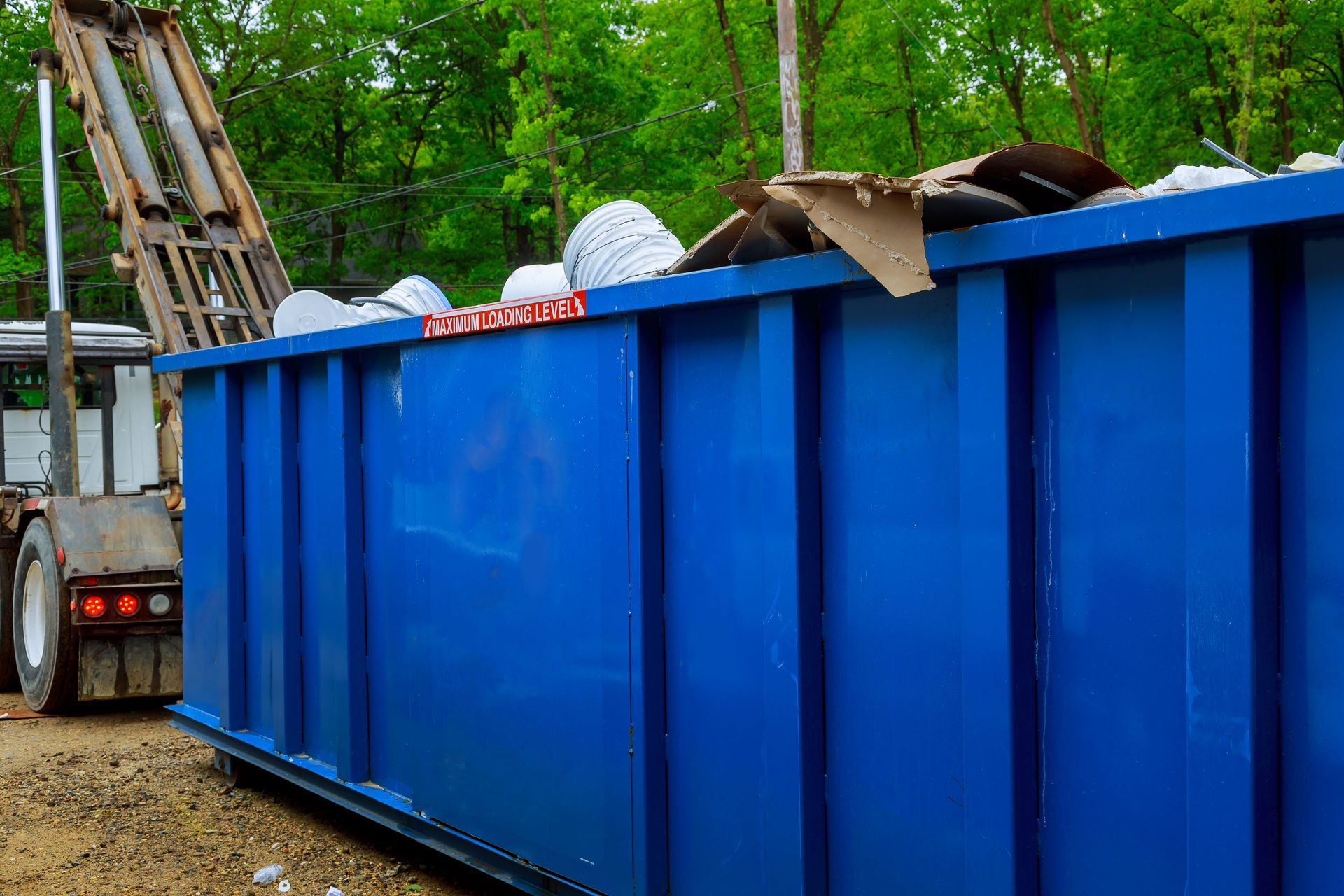
One of the immediate benefits of working with dumpster rental companies is having a designated location for accumulating project-related waste. Rather than allowing debris to collect in hallways, storage areas, parking spaces, loading zones, or other parts of a commercial property, employees and contractors can place appropriate materials directly into the container. This helps create a more organized environment while reducing unnecessary movement of debris around the property.
Consistent waste containment is particularly useful during renovations and construction projects because material volumes can increase quickly. A properly sized roll-off container gives crews a central place to dispose of lumber, drywall, roofing materials, packaging, old fixtures, and other eligible debris. Keeping these materials contained can make cleanup more manageable and help preserve usable workspace throughout the project.
Accommodating Different Project Sizes
Commercial projects vary substantially in scope, so a single container size may not be appropriate for every situation. Dumpster rental companies may offer multiple roll-off sizes to accommodate different quantities and types of debris. Smaller containers can be appropriate for limited cleanouts or renovations, while larger containers provide additional capacity for major construction and demolition work.
For example, a 13-yard container may suit a smaller commercial cleanup, while a 20-yard container can provide more capacity for medium-sized projects. Larger 30- and 40-yard containers can accommodate substantial quantities of debris associated with major construction or demolition jobs. Matching the container to the anticipated waste volume can help businesses use available space efficiently.
Maintaining Productive Work Areas
A commercial property can become difficult to navigate when waste accumulates without a designated disposal solution. Loose debris may occupy valuable workspace, obstruct access routes, or interfere with contractors moving materials throughout a building or job site. Having an appropriate dumpster available gives crews a consistent destination for eligible waste as work progresses.
This approach can be especially beneficial during demolition, remodeling, and property improvement projects. Instead of repeatedly moving debris to temporary piles and arranging separate removal, crews can place materials into the container as they are generated. This can reduce unnecessary handling and help maintain a cleaner work area.
Helping Businesses Manage Costs and Requirements
Planning Around Weight Limits
Cost management is an important consideration when arranging dumpster services for commercial properties. Pricing can depend on factors such as container size, the materials being discarded, the delivery area, and the weight of the load. Understanding these factors before beginning a project allows property managers to make more informed decisions about disposal arrangements.
Dumpster rental companies may establish specific weight limits for different containers, particularly when they are used for construction and demolition debris. Smaller containers may have lower tonnage allowances, while larger containers can accommodate greater weights. Exceeding an established limit may result in additional charges based on the amount of material over the permitted weight.
Separating Eligible Materials
Material selection is another important consideration when managing commercial waste. Providers may accept construction and demolition debris, cardboard, metal, wood, roofing materials, yard waste, tree stumps, and general junk. Certain containers may also be used for single-material loads of concrete, clean dirt, asphalt, or bricks when those materials are kept separate from other waste.
Keeping qualifying single-material loads separate can affect how those materials are processed and charged. Mixing additional debris into an otherwise single-material container can cause the load to be treated differently. Commercial property managers should understand the provider's material requirements before placing waste into a container.
Reducing Unnecessary Disposal Expenses
Selecting a dumpster that corresponds with the actual project scope can help businesses avoid unnecessary expenses. A container that is too small may require additional service, while an oversized container can mean paying for capacity that is not needed. Evaluating the anticipated amount and type of debris can help managers make a practical choice.
Businesses should also consider how quickly waste will accumulate. A short-term renovation may require a different arrangement than an extended construction project that generates debris steadily. Flexible rental periods can make it easier to coordinate container use with the project's expected duration.
Supporting Clean, Organized Commercial Properties
Improving Property Appearance
The condition of a commercial property can influence how employees, customers, tenants, contractors, and visitors perceive the site. Waste scattered around a parking lot, entrance, loading area, or construction zone can make a property look disorganized. A designated dumpster provides a centralized place for eligible debris and can contribute to a more orderly appearance.
This can be particularly important for businesses that remain open while renovation or construction work takes place. Retail stores, restaurants, offices, apartment communities, and other properties may need to maintain accessible public areas even when significant work is underway elsewhere. Dumpster rental companies help keep project debris from spreading into spaces used for everyday activities.
Supporting Safer Job Sites
Waste management is closely connected to job-site organization. Loose construction debris, discarded materials, and other waste can create trip hazards or interfere with movement through active work areas. Providing an appropriate container gives workers a defined location for disposing of materials as the project progresses.
Commercial property owners and contractors should still follow applicable safety procedures when loading and positioning a dumpster. Containers should be placed where they can be accessed safely without unnecessarily interfering with entrances, emergency access, traffic patterns, or other important areas. Containers should also be loaded according to the provider's requirements and should not contain prohibited materials.
Coordinating Reliable Waste Removal
Timing is an essential consideration for commercial properties because a full dumpster can become an operational problem if it remains on-site longer than necessary. Reliable dumpster rental companies can coordinate delivery and pickup around project needs, helping businesses maintain a consistent waste removal process.
For longer-term commercial waste needs, businesses may also benefit from recurring container service. Different commercial properties generate different amounts of waste, so pickup frequency can be adjusted according to property size, occupancy, business activity, and expected waste volume. Regular service can help prevent containers from remaining full for extended periods.
Effective waste management is an important part of maintaining commercial properties during construction, renovation, demolition, cleanouts, and routine operations. The right dumpster provides businesses with a centralized location for eligible debris while helping crews maintain organized work areas and property managers coordinate disposal around operational schedules.
Working with experienced dumpster rental companies can simplify the process by providing access to multiple container sizes and service options. With appropriate planning and dependable waste removal, commercial property owners and managers can keep debris under control while supporting cleaner, more efficient properties. Contact Westphal Waste Services today to schedule reliable dumpster rental services for your commercial property.