September 12, 2026
Replacing or repairing a residential roof generates thousands of pounds of heavy, sharp, and hazardous waste in a surprisingly short amount of time. Many property owners significantly underestimate the sheer volume of old asphalt shingles, rusted nails, rotten wood underlayment, and metal flashing produced during a standard roof tear-off. Leaving piles of loose debris scattered across your lawn or driveway creates immediate safety hazards, destroys your landscaping, and dramatically increases the risk of costly property damage. Booking a dumpster rental before your professional roofing crew arrives offers an organized, efficient, and central collection point for all tear-off waste. This detailed guide covers the essential factors you need to evaluate when determining whether your upcoming roofing job requires a dedicated waste container.
Calculating Your Expected Waste Volume
Roofing materials are significantly heavier and denser than standard household junk, making accurate volume estimation a critical first step in your planning process. In the roofing industry, materials are measured in "squares," where one single square equals 100 square feet of roof surface. If your roof features multiple layers of old shingles that need to be removed simultaneously, your total waste weight will double or triple rapidly. Furthermore, rotted plywood decking, damaged fascia boards, and soaked felt underlayment quickly swell the overall cubic yardage required.
According to Vocal, a 20-yard dumpster is among the most typical dumpster sizes rented for both home and small business projects. Choosing the correct size dumpster rental ensures you do not waste money paying for unused capacity or incur unexpected overage charges from overfilling a container that is simply too small for your home's total square footage.
Evaluating Your Property Space Constraints
Before ordering a container to your home, you must carefully evaluate where the unit can sit safely on your property during the entire renovation process. Large roll-off containers require flat, stable ground and substantial overhead clearance to accommodate heavy delivery trucks equipped with hydraulic hoists. Low-hanging tree branches, overhead power lines, tight alleyways, and narrow driveways can severely restrict placement options if they are not identified early.
Comparing container footprint dimensions against your available driveway space ensures your personal vehicles remain fully accessible throughout the construction process. Determining the optimal spot to park a heavy dumpster rental helps protect your asphalt or concrete from weight-related cracks, rutting, and deep surface scrapes caused by heavy equipment drop-offs.
Protecting Your Property Against Damage
Laying old shingles, sharp flashing, and discarded nails directly on the ground during a roof tear-off inevitably leads to widespread lawn and property damage. Loose roofing nails easily vanish into thick grass, posing severe long-term risks to lawnmower blades, vehicle tires, outdoor pets, and family members walking barefoot. Additionally, falling debris dropped from high rooflines can easily scratch home siding, crush delicate flowerbeds, and crack expensive patio pavers.
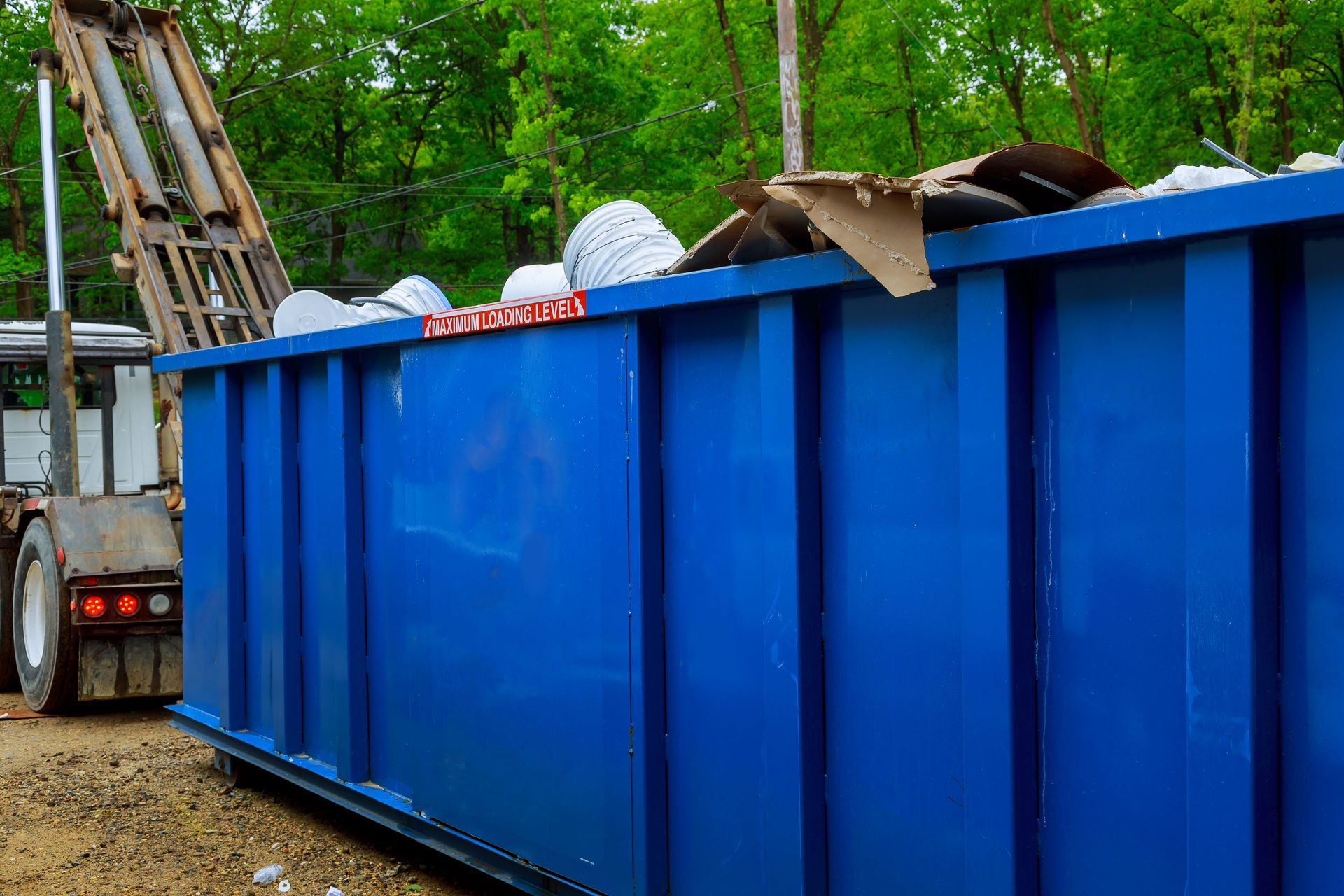
Direct-to-container disposal allows contractors to throw discarded materials directly off the roofline into the open top, preventing debris scatter entirely. Securing a local dumpster rental keeps sharp objects isolated inside one secure, enclosed steel box. Placing heavy wooden planks under the container’s steel wheels further shields concrete and asphalt driveways from high-pressure point loads during drop-off and pickup.
Comparing Disposal Methods and Costs
Weighing the total cost of a dedicated waste container against alternative disposal methods often reveals significant savings in time, labor, and money. Transporting heavy roofing debris to a regional landfill yourself using a standard pickup truck requires dozens of back-and-forth trips, consuming massive amounts of fuel, causing excessive wear on your vehicle, and incurring repetitive gate fees per load. On the other hand, hiring a separate junk removal crew often results in high hourly labor rates alongside strict volume surcharges.
Opting for a temporary waste container provides a predictable, upfront flat-rate pricing structure that includes drop-off, pick-up, and specific weight allowances tailored to heavy construction materials. Evaluating flat-rate pricing for a dumpster rental simplifies your overall renovation budgeting, shielding you from variable landfill charges, gas costs, and third-party labor expenses.
Streamlining Your Project Timeline
Overall project efficiency relies heavily on maintaining a clean, well-organized job site from start to finish. Professional roofing contractors work exponentially faster when discarded materials are thrown into a container immediately during the tear-off phase, rather than piled on the ground for manual pickup and re-handling later. Clearing waste continuously as work progresses prevents hazardous clutter from blocking walkways, doorways, and ladders.
Keeping walkways clear minimizes trip hazards for workers, inspectors, and residents, drastically reducing safety risks on site throughout the day. Coordinating the delivery date of your dumpster rental with your roofing contractor’s official start date prevents workflow interruptions and avoids costly labor delays caused by waiting for cleanup equipment to arrive.
Navigating Local Permits and Restrictions
Understanding local municipal regulations, code enforcement requirements, and homeowners association (HOA) rules prevents unexpected fines during your project. While placing a waste container on private property—such as a personal driveway—rarely requires a special permit, placing one on a public street, curb, or sidewalk typically requires a municipal right-of-way permit from your local city hall.
HOA rules may also strictly dictate how many days a container can remain visible on your driveway or specify designated parking locations to maintain neighborhood aesthetics. Checking local municipal guidelines ensures your temporary dumpster rental complies with all neighborhood ordinances and avoids costly city citations while your roof work is actively underway.
Identifying Restricted Debris and Rules
While standard roofing debris—such as asphalt shingles, felt underlayment, wood fascia, metal flashing, and steel nails—is fully accepted in roll-off containers, certain materials are strictly prohibited. Environmental regulations prevent waste management haulers from mixing hazardous substances with standard construction debris. Prohibited items generally include leftover paint cans, liquid roof sealants, asbestos insulation products, equipment batteries, and volatile chemical adhesives.
Mixing prohibited hazardous materials into your waste container can lead to hefty environmental fines, total rejection at the landfill sorting facility, or costly manual sorting charges. Keeping hazardous items completely separate maintains full compliance with local environmental laws and keeps your overall disposal costs completely transparent and predictable.
Selecting the Right Rental Provider
Choosing a dependable waste management provider ensures clear rental terms, timely customer service, and transparent pricing without hidden fees. Look for established haulers that provide explicit weight limits, detailed lists of allowed materials, and clear explanations of potential overage fees before you sign an agreement. Reliable scheduling is equally critical, as unpredictable weather delays frequently alter roofing timelines and require flexible pickup dates on short notice.
A quality service provider will work closely with your schedule to extend or adjust delivery windows when unforeseen rain delays your roof installation. Selecting a reputable, local company ensures open communication, fair billing rates, and prompt service when your roofing project officially wraps up.
Renting a dedicated waste container for your upcoming roof replacement protects your property, keeps your job site safe, and dramatically streamlines the cleanup of heavy shingles and dangerous nails. Having a single, durable container positioned directly on site allows workers to focus on quality roof installation rather than wasting hours on post-job debris collection. When planning your next major roof tear-off, arranging a hassle-free
dumpster rental is undeniably the smartest decision you can make for your home, safety, and budget. Ensure your home renovation goes smoothly by securing your waste containment solution well before the first shingle is pulled from your roof.
Ready to tackle your upcoming roofing overhaul with a clean, efficient job site? Contact Westphal Waste Services today to reserve the perfect container size for your project’s exact timeline and waste volume. Our team delivers prompt drop-offs, clear pricing, and reliable pickups so you can focus entirely on enjoying your new roof!