November 15, 2026
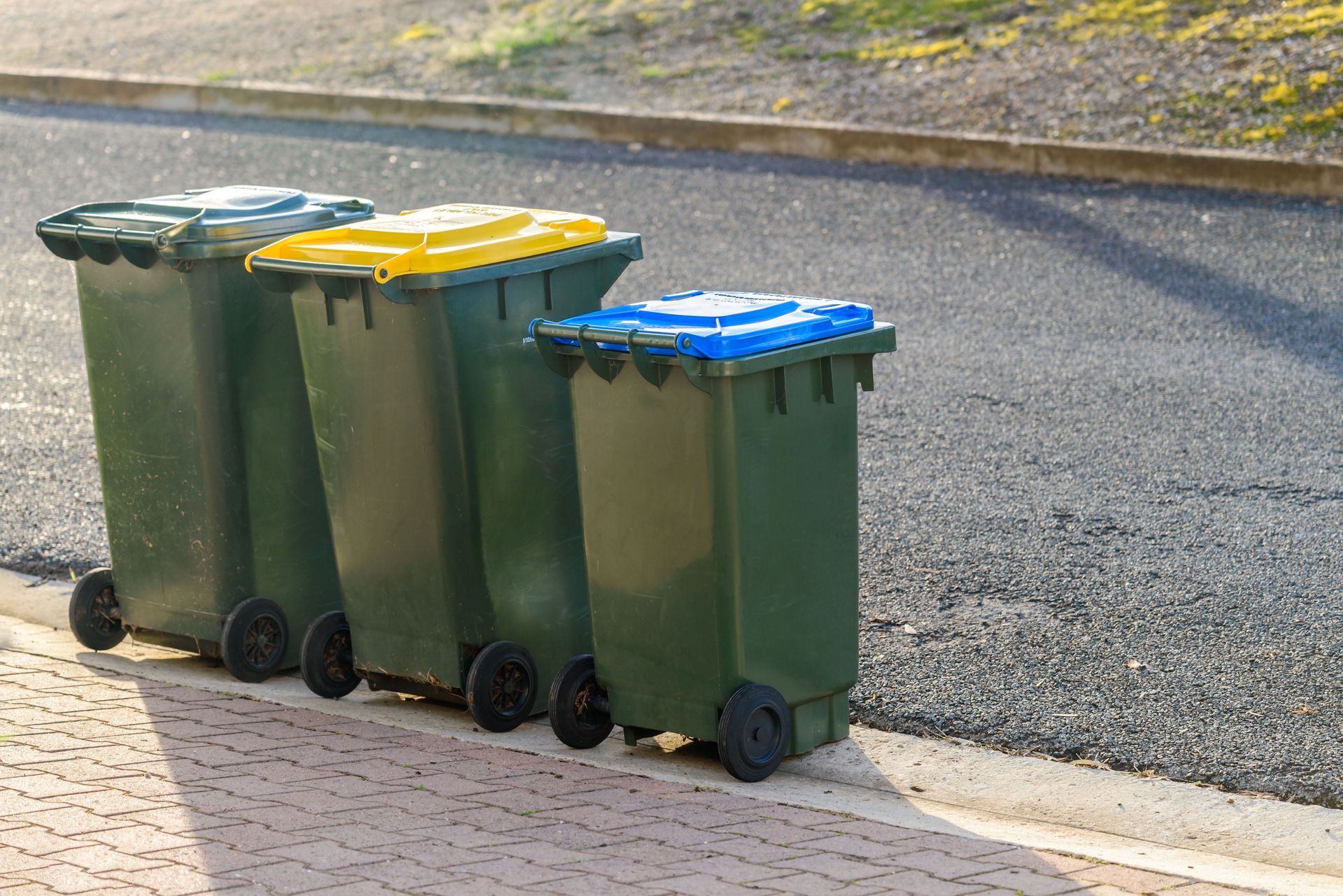
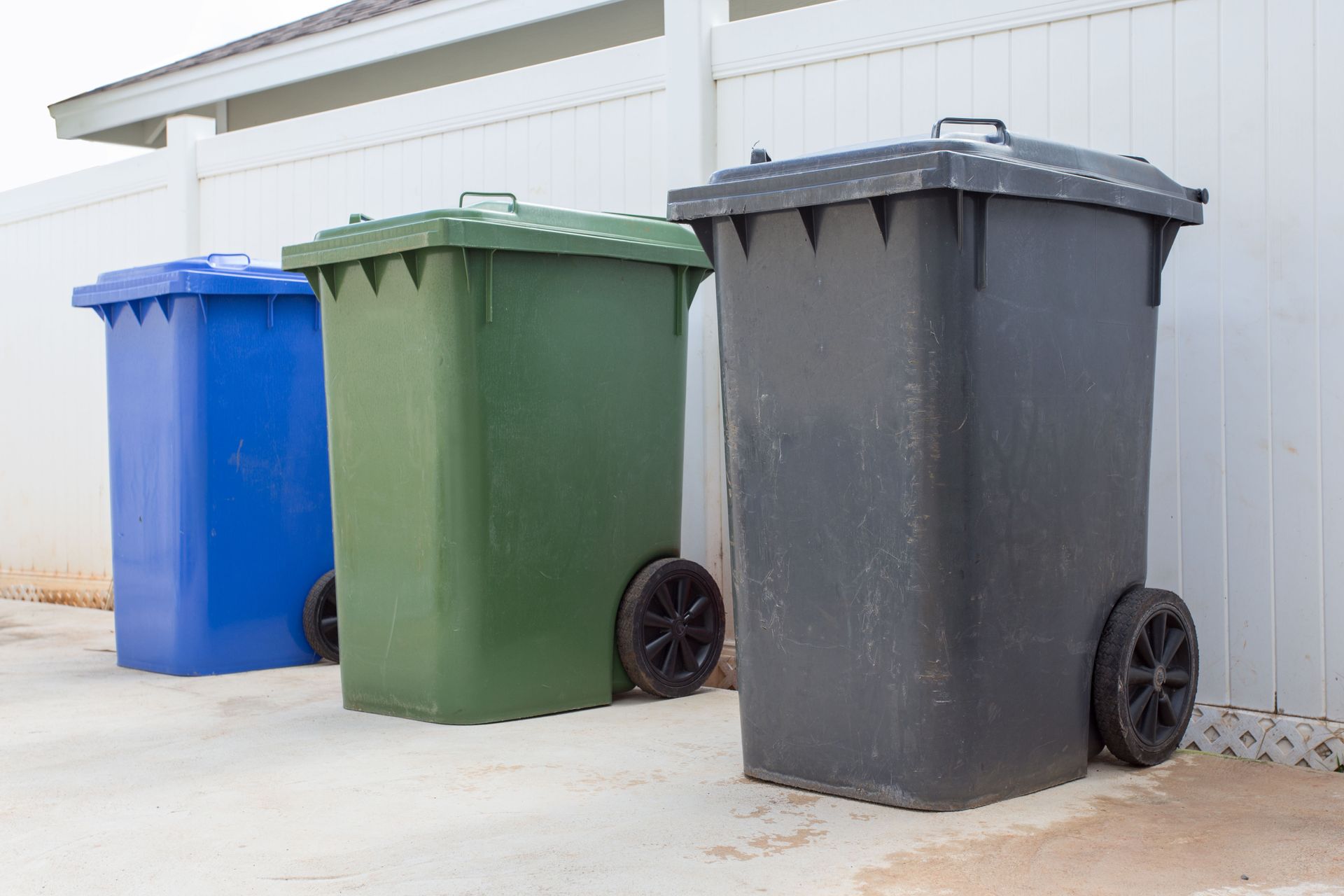
A household trash cart is convenient, but it is not the right destination for every unwanted item. Some materials can leak, ignite, puncture bags, damage collection equipment, or create problems after they reach a disposal facility. The wrong choice can turn routine pickup and later processing into a safety concern for residents and collection workers. Other materials belong in recycling, bulk collection, yard debris removal, or a program designed for a specific type of waste.
Knowing the difference makes cleanup safer and keeps ordinary waste moving through the collection system as intended. Rules vary by municipality, so residents should check local instructions before setting out an unfamiliar item. Reliable garbage collection services depend partly on customers separating materials that cannot travel with routine household trash.
Separation Matters at Every Stage of Collection
The volume of discarded material makes careful sorting more than a minor household concern. According to the EPA, the United States produces approximately 292.4 million tons of solid waste each year. When millions of households make individual disposal decisions, keeping unsuitable materials out of trash carts can reduce contamination and prevent avoidable hazards throughout collection and processing.
An item may look harmless while sitting in a kitchen, garage, or basement, yet behave differently when crushed inside a collection vehicle or mixed with other waste. Liquids can escape their containers, batteries can spark, and sharp objects can break through bags. By following accepted setout rules, residents help garbage collection services handle ordinary waste without introducing materials that require another route.
Batteries and Electronics Need Separate Attention
Rechargeable and lithium-ion batteries should not be tossed loosely into regular trash. They can retain energy even when the device they powered no longer works, and damage during collection or compaction can create heat or fire. Small button cells and batteries hidden inside toys or tools can be easy to overlook during a cleanout. Residents should keep battery terminals protected when local directions call for it and use an approved battery collection or drop-off option.
Phones, laptops, tablets, televisions, and other electronics may contain batteries, circuit boards, metals, and components that are not suited to a household trash load. Because accepted items and drop-off arrangements differ among communities, checking municipal guidance is important before discarding a device. Directing electronics to the appropriate local program keeps garbage collection services focused on eligible household waste.
Paint, Automotive Fluids, and Chemicals Require Care
Leftover paint, solvents, pesticides, pool chemicals, motor oil, antifreeze, and strong household cleaners should not be placed in a trash cart simply because a container appears closed. Lids can loosen, containers can crack, and incompatible substances may react if they leak together. These materials often fall under local household hazardous waste rules, which may establish dedicated collection dates or drop-off locations.
Labels should remain attached so the contents can be identified, and different products should not be combined to save space. Pouring unwanted liquids into a sink, storm drain, onto the ground, or into a trash bag can create additional safety and environmental concerns. If a container is damaged or leaking, local officials can provide instructions for temporary handling and approved disposal. The appropriate path depends on the product and local regulations, so the label and municipal instructions should guide disposal.
Medicines and Sharps Should Not Be Tossed Loose
Unused or expired medications require more care than ordinary packaging. Loose pills and liquid medicine can be accessed by children, pets, or other people if they are discarded without appropriate precautions. Original labels can help distinguish one product from another while the correct disposal option is being confirmed. Drug take-back programs provide a designated option, while product instructions and local health guidance can address medicines that are not accepted by a nearby program.
Needles, lancets, syringes, and other household sharps create a direct puncture risk for anyone who handles a bag or collection container. They should never be left loose, pushed into an overflowing cart, or hidden inside recycling. Residents who use sharps at home should follow local requirements for an approved container and collection or drop-off method.
Pressurized Containers Can Create Collection Hazards
Propane cylinders, compressed-gas canisters, fire extinguishers, and similar pressurized items can be dangerous when crushed or exposed to heat. Even a container that seems empty may hold pressure or residual material. Because preparation and acceptance rules depend on the container, residents should confirm the required handling method rather than placing it in household trash.
Aerosol cans also deserve a closer look before disposal. Some recycling programs accept completely empty cans, while partially full cans may need different handling based on their contents and local rules. Puncturing, burning, or deliberately crushing a container at home can release material and increase risk, so the applicable collection instructions should be followed as written.
Large Objects and Renovation Debris Need Another Plan
Furniture, mattresses, large appliances, and other oversized objects generally should not be forced into or left beside a regular trash cart without prior arrangements. Their dimensions and weight may exceed what a scheduled household route can accept. Advance confirmation can clarify whether doors, shelves, or other removable parts need special preparation before pickup. Bulk item collection provides a planned method for removing eligible pieces, but setout limits, preparation rules, and appointment requirements may vary.
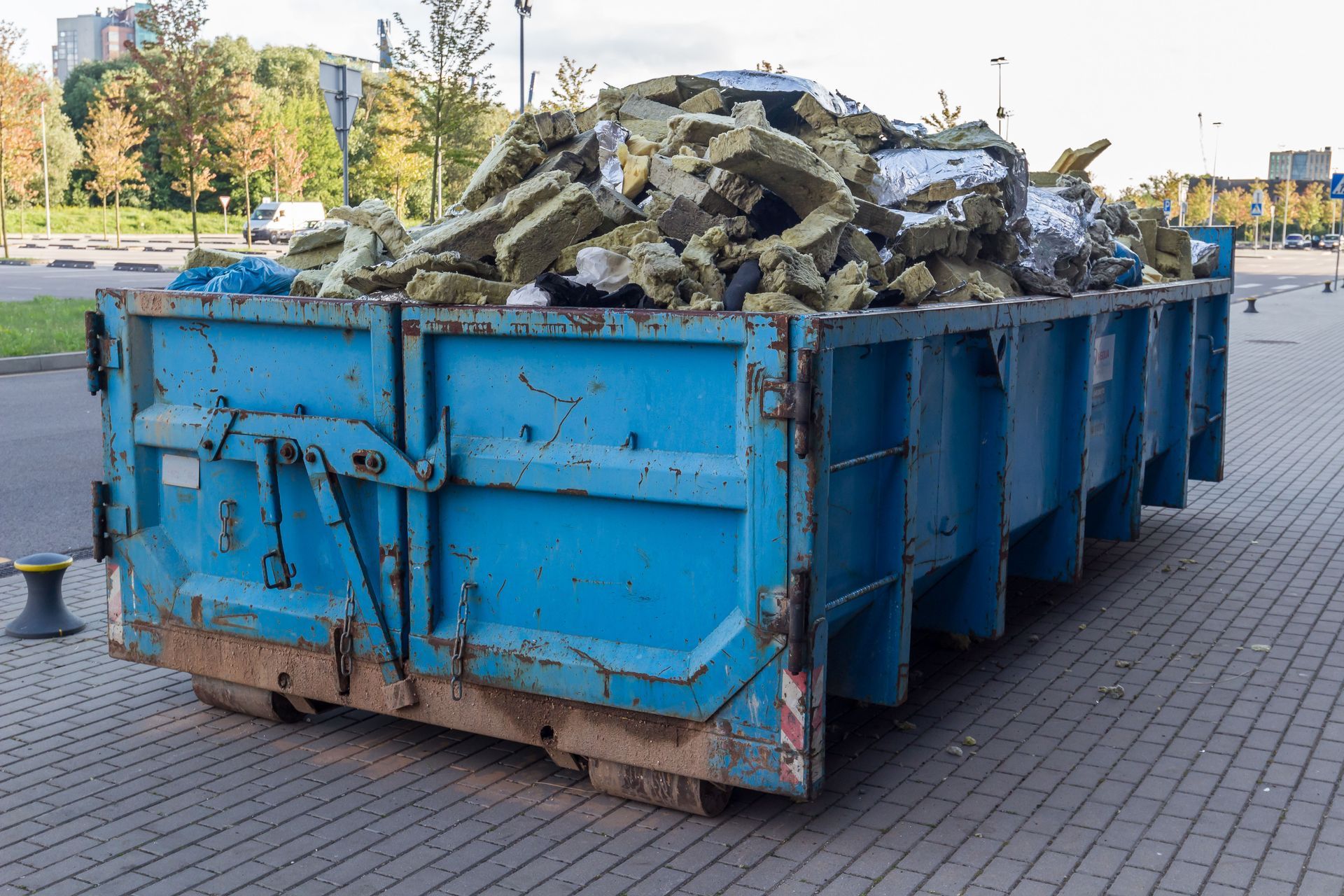
Home improvement projects can produce drywall, lumber, flooring, fixtures, and other construction debris that quickly exceeds the purpose of routine collection. A dumpster or construction debris disposal service can give that material a suitable container and pickup plan. Keeping project waste separate also prevents garbage collection services from encountering heavy or irregular debris during a standard stop.
Yard Debris and Recyclables Should Stay Sorted
Leaves, branches, grass clippings, and seasonal cleanup debris may be collected separately from household garbage. Mixing them into regular trash can interfere with local yard waste programs or exceed the limits for an ordinary cart. Dedicated removal keeps this material grouped according to the community's collection rules and gives residents a clearer way to manage larger seasonal volumes.
Recyclables also need separation, but not every item marked with a recycling symbol belongs in a curbside container. Accepted paper, cardboard, glass, metal, and plastic categories depend on the local program, and food residue or plastic bags may make otherwise recyclable material unsuitable. Garbage collection services and recycling pickups work more effectively when residents follow the accepted-item list instead of guessing.
Check Requirements Before Setting Anything Out
Disposal questions are easiest to resolve before collection day. Residents can identify the material, read product labels, review municipal instructions, and confirm whether an item belongs in regular trash, recycling, bulk collection, yard debris removal, or another approved program. This step is particularly important when an object contains a battery, liquid, sharp edge, chemical, pressurized chamber, or unknown substance.
Collection providers can also explain what their specific routes and containers are designed to accept. Asking in advance helps prevent a rejected setout, an overloaded cart, or an unsafe item from entering the collection stream. Clear communication allows garbage collection services to match routine pickups and separate waste options with the material a household actually needs removed.
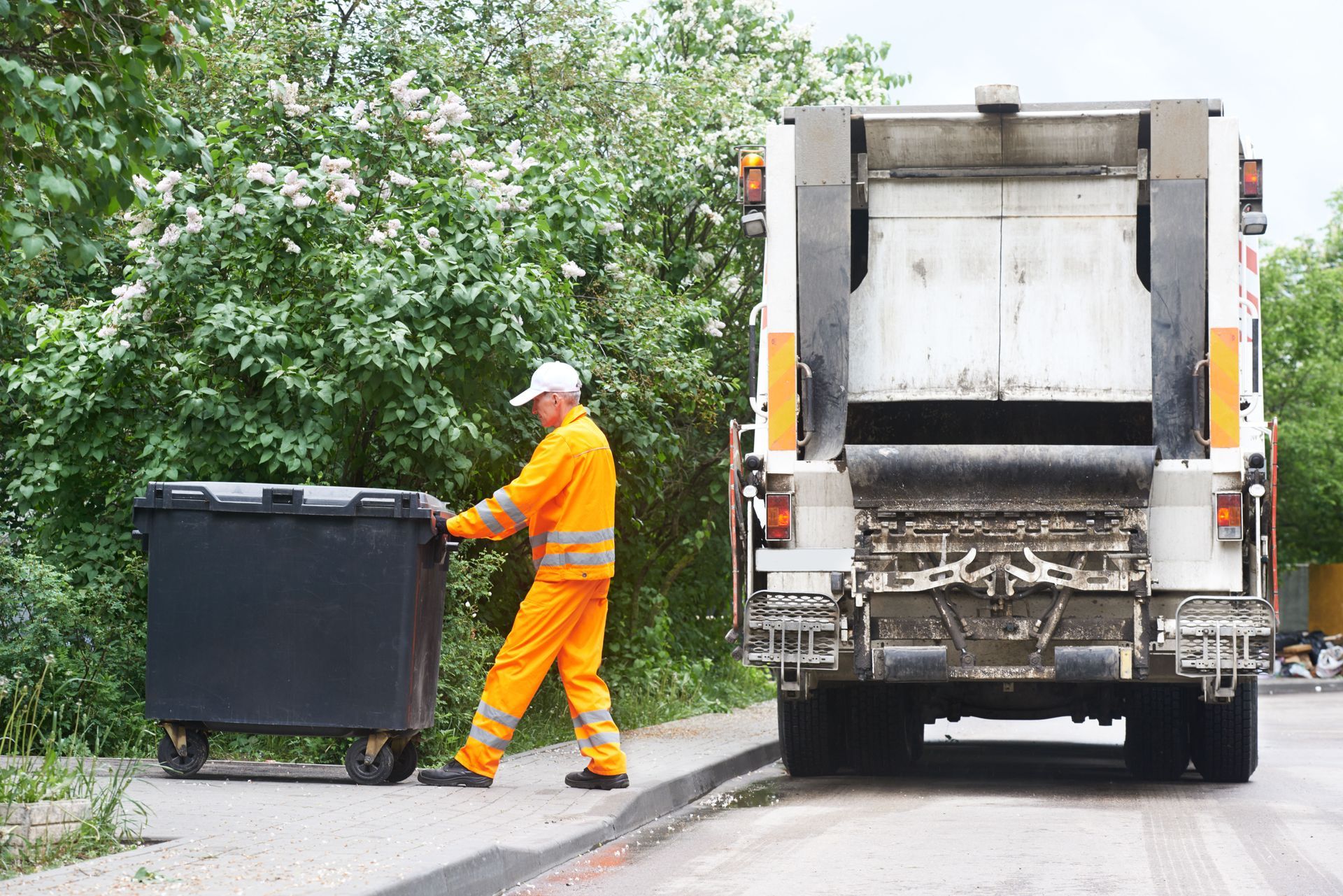
Responsible disposal begins with recognizing when an item needs a route other than the household trash cart. Separating questionable materials before pickup protects the collection stream and helps residents use the appropriate option for each type of waste. At Westphal Waste Services, we provide garbage collection services as well as recycling pickup, bulk item collection, landscape debris removal, and construction debris disposal. We can discuss which of these collection options fits a household's routine or larger cleanup needs.